On the way back from Hakuba to Tokyo, I spent one day in Nagano. Nagano is known not only for hosting the 1998 Winter Olympic games but also for its Sake breweries, Zenko-ji temple, and the nearby Snow Monkey Park.

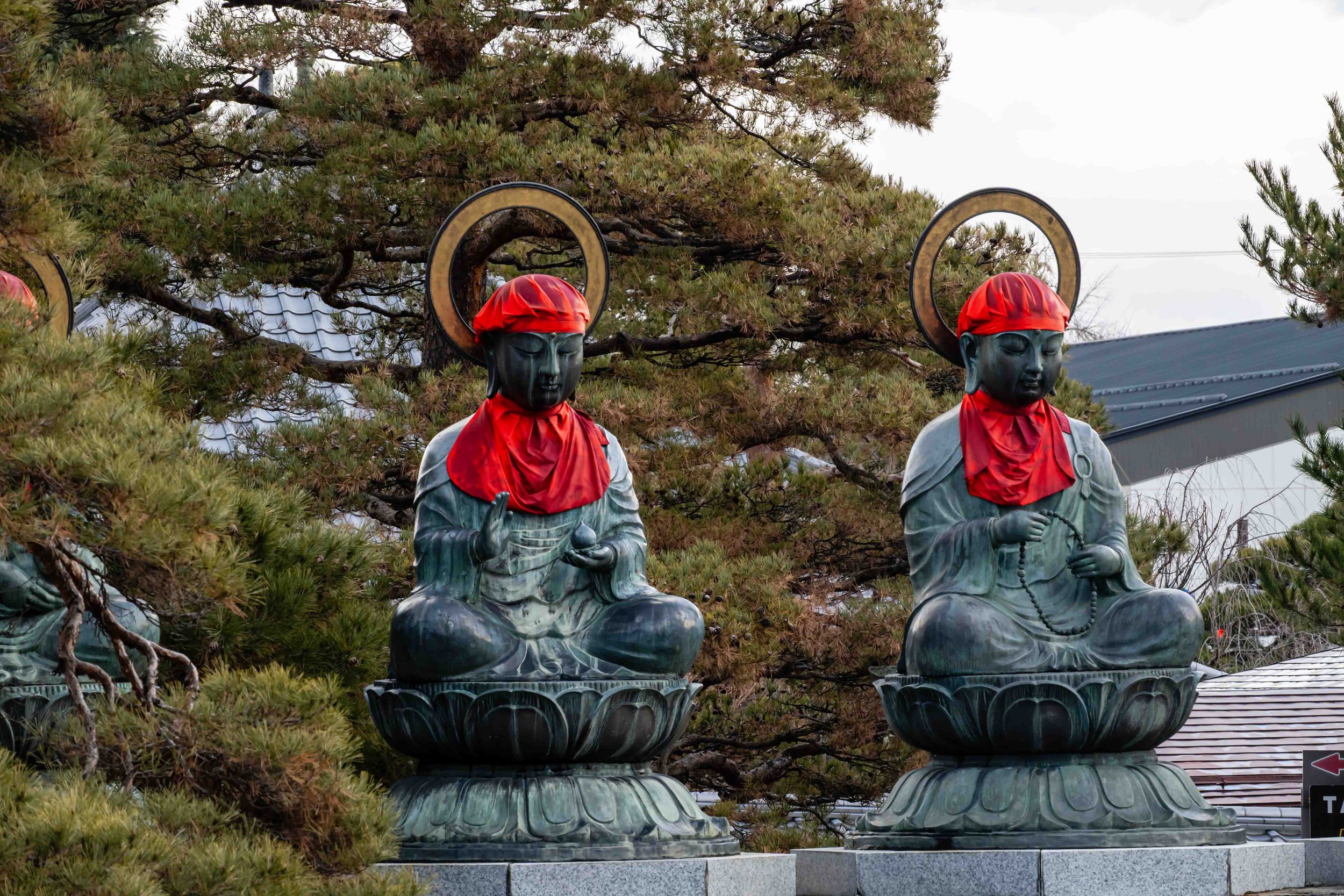
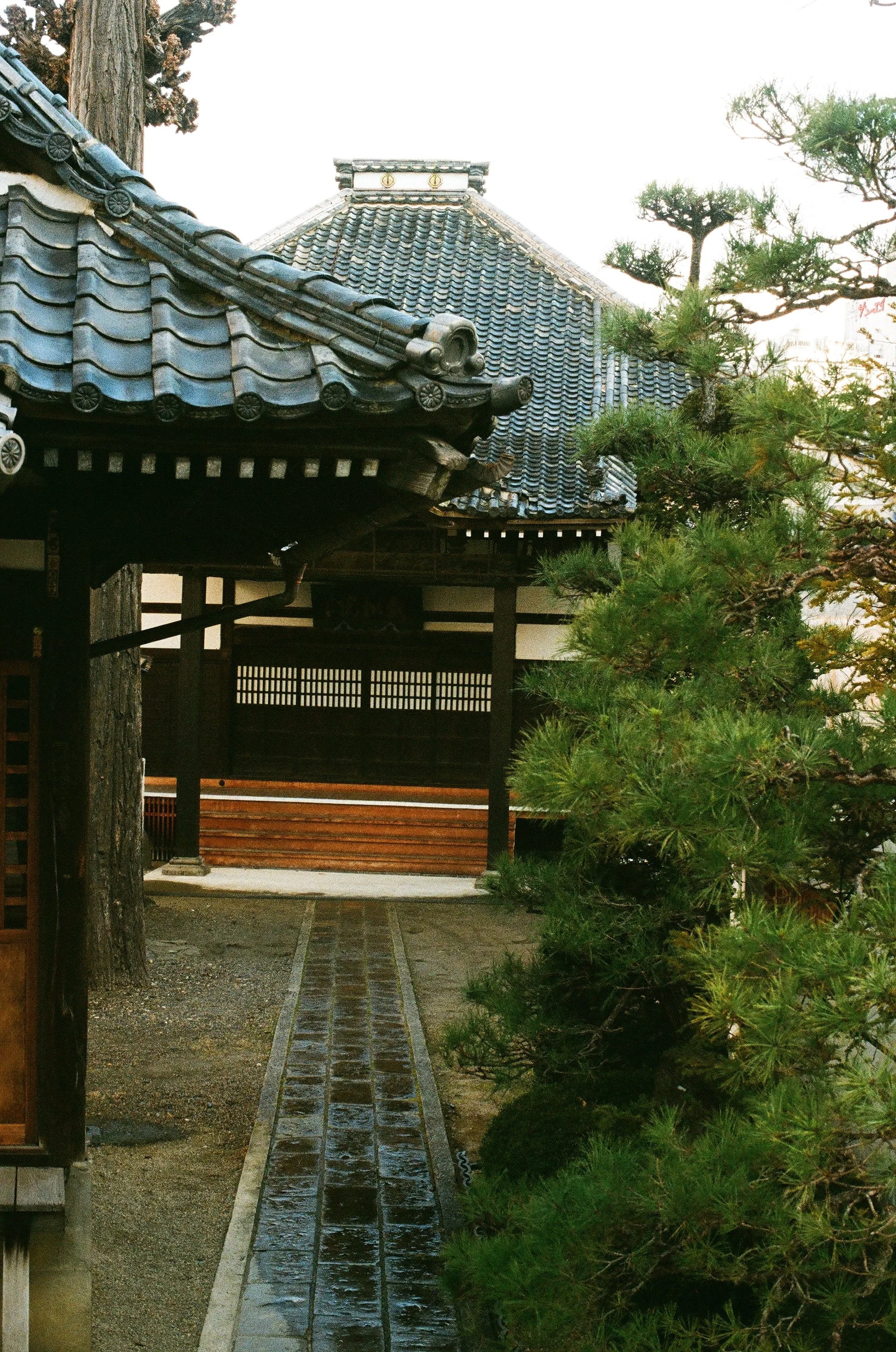
Buddah statue and temple building at the Zenko-ji temple in Nagano.

View from the main building of Zenko-ji temple towards the main gate, which can be climed to get a great view of Nagano and the temple grounds from ontop.
Zenko-ji temple
Most people will travel through Nagano station when coming from or going to Hakuba. There are options of a direct train to Hakuba from Tokyo, but it only goes twice a day, I think, and a direct bus connection to Shinjuku station in Tokyo, which takes a couple of hours more. Therefore, most people take the Shinkansen from Tokyo to Nagano and from there the bus towards Hakuba.
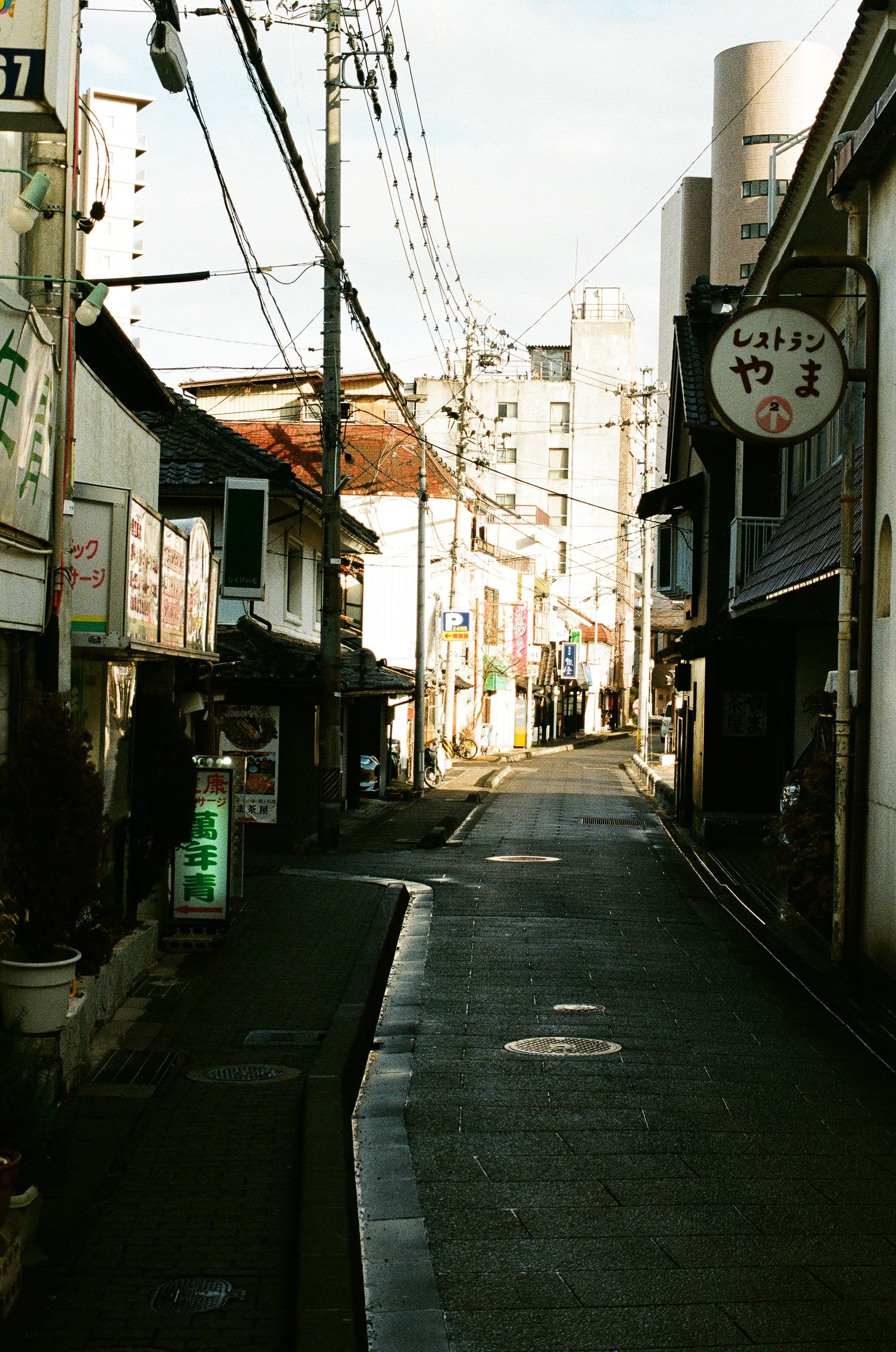
From Nagano station, both the Monkey Park and Zenko-ji temple are easily reachable. You can walk roughly 25 minutes to Zenko-ji or take a bus from the train station. One thing to note, from the station, it’s constantly uphill till you reach the temple. I walked there and back and found it quite relaxing, as you can visit many smaller shops on the way. Significantly closer to the temple grounds, a lot of small and cute shops are located, selling everything from clothes to local delicacies and souvenirs, as well as retro cameras and analog film. I felt that the latter was a bit more expensive than comparable shops in Tokyo. One shop even lets you create your own spice.
The temple grounds themselves are quite vast and invite exploration. You can join tours of the temple to get more insight into its history or explore it on your own. Also, to visit the inside of the main building with its prayer hall and the main gates upstairs observation deck, you need to buy an entry ticket. As photography is forbidden inside the main building and it was about to close (4 pm closing time), I did not enter this time, but I heard it should be stunning—something I need to see on my next visit. Also, entering is only allowed barefoot or with socks, in Japanese tradition shoes must be taken off before entering.
I walked around the buildings and parkland by myself, which was relaxing and enjoyable. After just 30 minutes at the temple, it started to rain, so I had to quickly make my way back to the train station.






Snow Monkey Park

Bathing monkeys, performing coat care for each other.
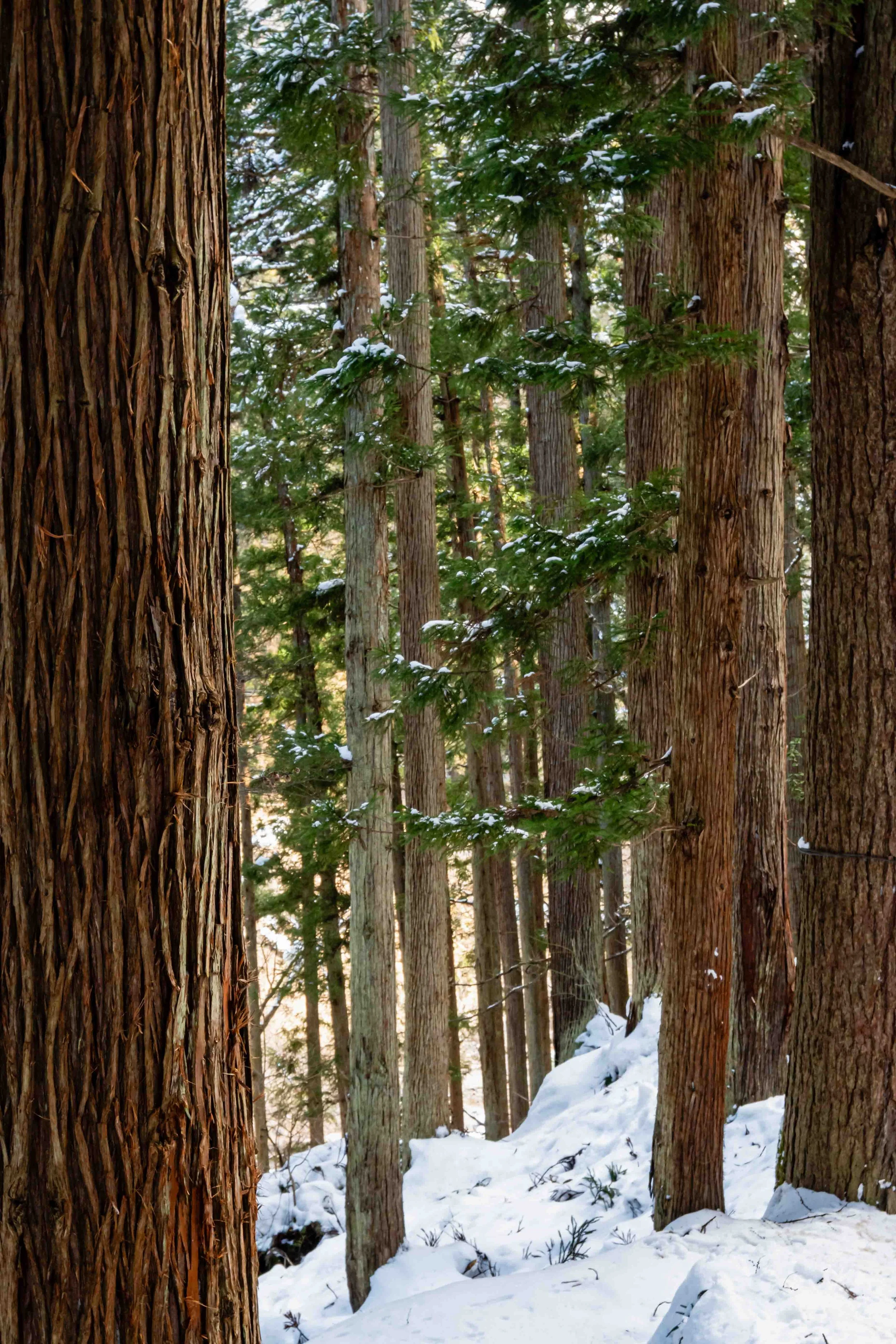
View of the forest along the path towards the monkey park.
From Nagano station, a direct bus to the Snow Monkey Park (Jigokudani Yaen-Koen) takes 30 to 45 minutes, depending on traffic. Alternatively, you can take the local train a couple of stations, followed by a local bus up to the mountains.
When the monkeys come down the mountain to bathe in the hot springs in the winter months, the bus only goes to a parking area near the main street. During the summer, you can go nearly directly to the park entrance by car or bus, but the chances of seeing monkeys in summer are quite low as during the warmer months, they do not need to bathe in the hot water.
When visiting in winter, the walk from the bus station towards the park is around 30 to 60 minutes, depending on the conditions. During my visit in late January, snow covered most of the path, making it, at times, very slippery to walk. The beginning is especially slick. From the bus stop, you walk 5 minutes along a minor road towards the forest, where a short staircase leads to a flat mountain path along a little creek. The road area and the initial steps were very icy and slippery; local people rent out ice spikes you can mount under your shoes. I feel like that's a bit of a rip-off, as it was only necessary for the initial 200m if you had appropriate footwear. If you come in slippers, they might be needed for the whole way. Saying so, I would recommend sturdy shoes, as it's a forest path, and even without snow, it could get muddy and slippery. After the set of stairs, it’s roughtly a 2 km walk through a nice Japanese forest; there were some benches on the way for people to rest or enjoy the mountain/forest views.
Just outside the park is a small onsen “resort” that I did not enter. It looked a bit neglected from the outside, but I learned never to judge a building by the outside in Japan. Some of the most crappy looking buildings hide beautiful and elegant places inside. Next to it, a small geyser is located, which I felt is also mainly interesting in winter when heavy ice walls form around it due to the water spray and cold temperatures. There was no signate to if it is natural or man made, but it looks facinating never the less.
When you reach the park, you must pay a small entrance fee (800 Yen). There is a website where you can prebook your ticket if you want. Also, while the path towards the park is mainly flat, apart from the initial steps, there is a very steep, short stairwell just before the entrance to be careful with. The stairs are not very wide or deep, and with snow on them, they are a bit tricky to walk on.
Once inside, it’s a 2-minute stroll along the river to the main attraction, the onsen with the monkeys inside. You are not allowed to feed or touch the monkeys and are asked to keep at least 1 m distance from them. The latter is sometimes a bit hard to do as the monkeys do not care about us humans and walk towards us. Personnel enforce the rules strictly, with the distance rule mainly meaning that you are not supposed to go closer. If the monkeys come closer to you when standing still, the personnel did not say or do anything during my visit. While there are monkeys along the sides of the river in the park, most people go straight to the hot springs to see the monkeys bathe.

Geyser in front of the snow monkey park.
The bathing monkeys are the park’s main attraction, and there is not much else to do or see besides the area around the hot spring. Therefore, it gets very crowded. I would recommend coming as early as possible to avoid the mid-day and afternoon crowds, which quickly form, I realized, due to many day tours from Tokyo or the surrounding snow resorts, including the park, in their iternery. As you can only access the hot springs from two sides, it is luckily quite easy to take pictures of the monkeys without any people as distractions.


